Wondering whether selling a historic home in Bristol, Virginia will be more complicated than a typical sale? In many cases, the answer is yes, but that is not a bad thing. If you understand what makes your home different, prepare for buyer questions early, and present its history clearly, you can turn character and documentation into real selling strengths. Let’s dive in.
Why Bristol historic homes stand apart
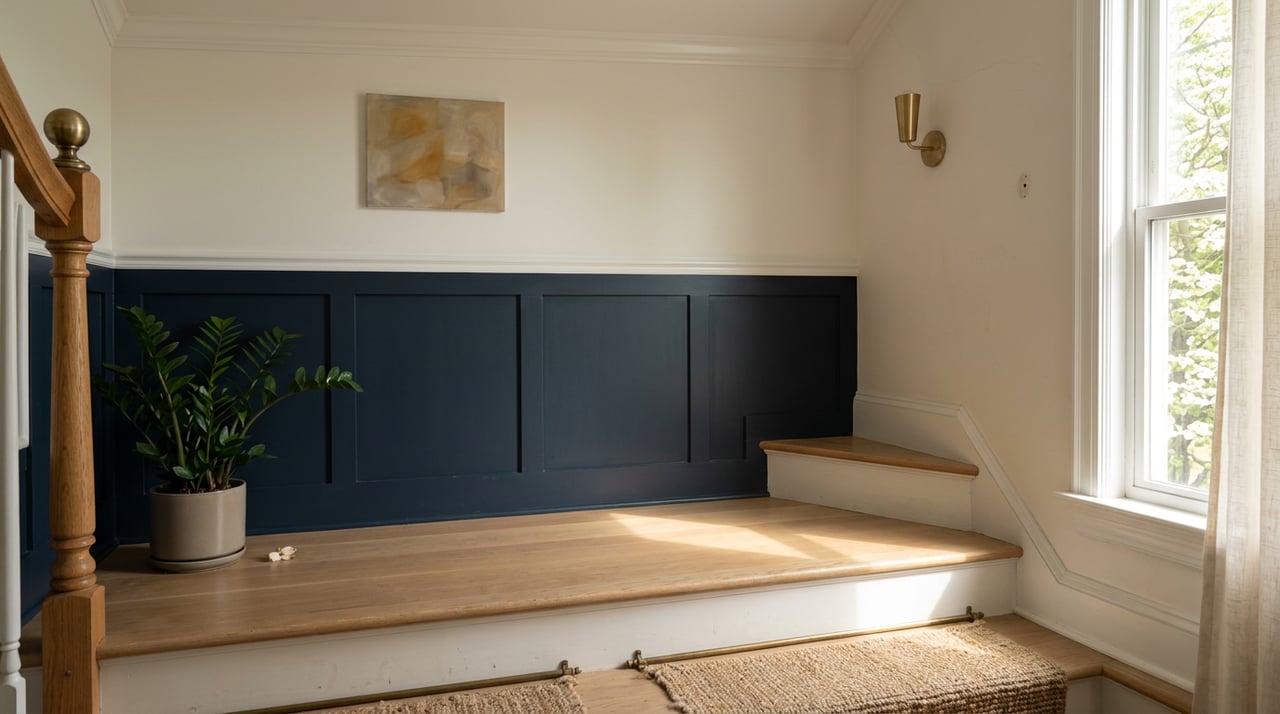
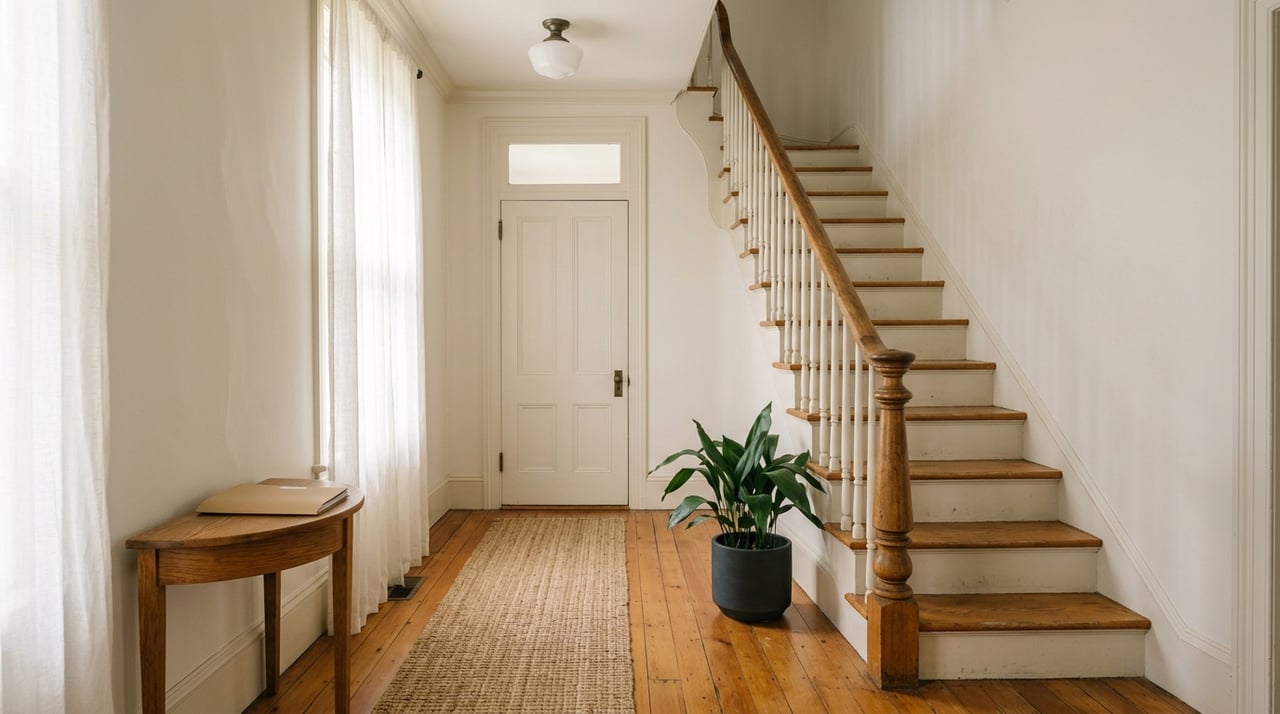
Historic homes in Bristol often come with features that newer properties simply cannot replicate. Original trim, wood floors, staircases, masonry, mantels, built-ins, and period windows can all help your home stand out in a crowded market.
Bristol also has a visible preservation framework that shapes how buyers view these properties. The city recognizes historic districts including Euclid Avenue, Solar Hill, Virginia Hill, Bristol Downtown Commercial, and Bristol Warehouse, and the Virginia Department of Historic Resources also lists several Bristol historic districts and landmarks.
That history can support your marketing, but it can also raise practical questions. Buyers may love the charm, yet still want to know what rules could apply if they plan to change the property later.
Historic district status matters
One of the first things to confirm before listing is whether your home is located in a historic district or subject to Bristol’s historic overlay district. Bristol’s zoning ordinance says the H-O overlay is intended to protect and enhance historic resources, encourage preservation and rehabilitation, and preserve property values.
For sellers, that matters because buyers often ask what they can and cannot do after closing. In Bristol’s H-O overlay, a certificate of appropriateness is required before demolition or relocation of a historic structure, and the planning commission may approve, modify, or deny the application after a public hearing.
If you are unsure how your property is classified, the City of Bristol’s Community Development and Planning office is the local place to verify zoning and historic overlay status. Getting that answer early helps you market the home accurately and respond with confidence when questions come up.
What buyers will ask first
When buyers tour a historic home, they usually see two things at once: charm and responsibility. They are often drawn to original details, but they also want to understand condition, maintenance, and future flexibility.
Expect questions like these:
- What has been updated, and when?
- Are there known plumbing, electrical, roof, or foundation issues?
- Is there lead-based paint documentation?
- Is the home in a historic district?
- What happens if a future owner wants to change the exterior?
The more clearly you can answer these questions, the smoother your sale is likely to feel. Historic homes often sell best when the story is factual, organized, and easy for buyers to understand.
Prepare for disclosure requirements
If you are selling in Virginia, disclosure timing matters. Virginia’s Residential Property Disclosure Act requires sellers to provide the statutory disclosure statement before ratification.
If that disclosure is delivered late, the buyer may have a limited termination right under the law. That is one reason it helps to have your paperwork organized before your home officially hits the market.
For a historic property, buyers may pay especially close attention to what is known, what has been repaired, and what documentation exists. A clean, proactive approach can reduce confusion and help the transaction move forward with fewer surprises.
Lead paint is a key issue in older homes
If your home was built before 1978, lead-based paint rules are especially important. Federal law requires disclosure of known lead-based paint and lead hazards, delivery of the EPA pamphlet, any available records or reports, and a 10-day window for the buyer to conduct a lead inspection or risk assessment.
This comes up often with historic homes because older homes are more likely to contain lead-based paint. Renovation, repair, or painting work that disturbs painted surfaces can create hazardous lead dust.
If you have completed work on painted surfaces, buyers may want to know how that work was handled and whether any lead-safe practices were used. Having records ready can make these conversations much easier.
Inspections often go deeper on historic homes
A historic home inspection is rarely just a quick checklist. Older properties often bring more detailed review of structure, roofing, exterior components, plumbing, electrical systems, HVAC, interiors, insulation, ventilation, and fireplaces.
Inspectors may also evaluate concerns tied to older construction, such as outdated systems, settling foundations, water intrusion, pests, lower energy efficiency, and older plumbing or wiring materials. Health-related concerns such as mold, radon, lead paint, or asbestos may also come up depending on the property and the buyer’s inspection choices.
That does not mean your home will not sell. It simply means you should expect the inspection process to lead to discussion, possible specialist follow-up, and negotiation around repairs or credits.
What to gather before listing
One of the smartest things you can do is build a simple property history file. Buyers tend to feel more comfortable when they can see a clear record of updates and maintenance.
Your file might include:
- Renovation dates
- Permit records
- Contractor invoices
- Roof age
- HVAC age and service history
- Foundation or chimney repair records
- Lead-safe work records
- Historic district or preservation documentation
- Any tax credit paperwork tied to rehabilitation work
This kind of preparation does two things. First, it helps answer buyer questions quickly. Second, it shows that you have cared for the home thoughtfully, which can strengthen buyer confidence.
Tax credits may become part of the conversation
If your property has been part of a rehabilitation project, buyers may ask about historic tax credits. In Virginia, the Department of Historic Resources says the state historic rehabilitation tax credit can be available for owner-occupied homes and income-producing buildings, with reimbursement of 25% of eligible rehabilitation expenses.
There are important limits, though. For owner-occupied historic rehabilitation projects, Virginia law says the project must meet a 25% of assessed-value threshold before the credit can be claimed.
If you are in the middle of a rehab project, timing matters too. The Department of Historic Resources advises owners not to sell before final certification is issued, because incomplete or unapproved work can jeopardize certification.
That does not apply to every seller, but if your home has a rehab-credit history, it is worth organizing those details before listing. Buyers interested in restoration often appreciate clear documentation.
Staging should highlight original character
When you prepare a historic home for showings, the goal is not to make it feel generic. The goal is to help buyers notice the details that make it memorable.
In many Bristol historic homes, that means clearing sightlines to original trim, mantels, floors, windows, staircases, masonry, and built-ins. Keep rooms bright, simple, and uncluttered so those features can stand out.
Good staging also helps buyers see how historic charm and modern living can work together. If you have updated major systems while preserving the home’s character, make sure both parts of that story are visible.
Pricing and presentation matter in Bristol
Recent Bristol market data suggests buyers have options, which makes correct pricing and strong presentation especially important. Realtor.com described Bristol as a buyer’s market in May 2026, with 309 active listings, a median listing price of $260,000, homes selling for 97% of asking, and a median 46 days on market.
Redfin’s April 2026 city data showed a median sale price of $243,324 and 73 days on market, while describing the market as somewhat competitive. The two sources use different methods, but both suggest that sellers cannot rely on charm alone.
For a historic home, pricing should reflect both the realities of the current market and the specifics of your property. Buyers respond best when the home is presented with a factual, well-supported story that includes architectural details, verified updates, district status, and any preservation or rehabilitation documentation you can provide.
How local expertise helps
Selling a historic home in Bristol is often less about hype and more about clarity. You need accurate district information, organized records, realistic pricing, and marketing that tells the home’s story without overreaching.
That is where local knowledge can make a real difference. A local agent can help verify zoning and overlay status, anticipate historic-home buyer concerns, coordinate the right inspections, and turn maintenance records into a cleaner listing narrative.
For sellers, that support matters because historic homes tend to generate more detailed questions than a standard listing. When those questions are answered early and clearly, buyers are often more comfortable moving forward.
If you are thinking about selling a historic home in Bristol, a thoughtful plan can help you protect the value you have built into the property. When you are ready for guidance, connect with Matthew & Andrea Pendleton for local insight and a practical strategy tailored to your home.
FAQs
What makes selling a historic home in Bristol, VA different?
- Historic homes in Bristol often attract buyers with original character, but they also bring extra questions about condition, updates, historic district status, and possible future restrictions tied to the property.
What should Bristol, VA sellers know about historic overlay rules?
- In Bristol’s historic overlay district, a certificate of appropriateness is required before demolition or relocation of a historic structure, and the planning commission reviews the application after a public hearing.
What disclosures are required when selling an older home in Virginia?
- Virginia sellers must provide the statutory disclosure statement before ratification, and sellers of homes built before 1978 must also comply with lead-based paint disclosure rules.
Why do buyers ask about lead paint in historic Bristol homes?
- Older homes are more likely to contain lead-based paint, and buyers often want documentation because renovation or repair work can disturb painted surfaces and create hazardous lead dust.
What inspection issues are common in Bristol historic homes?
- Buyers and inspectors often focus on roof condition, chimneys, electrical updates, plumbing materials, drainage, foundation movement, and records for repairs or improvements.
What documents should I gather before listing a historic home in Bristol, VA?
- It helps to collect renovation dates, permits, contractor invoices, roof and HVAC information, repair records, lead-safe work records, and any historic district or rehabilitation tax credit documentation.