Torn between the charm of a downtown bungalow and the ease of a newer build? You want a home in Kingsport that fits your lifestyle, budget, and timeline for upkeep. In this guide, you will learn how older and newer homes compare, where each style clusters, what to inspect, and simple steps to feel confident in your choice. Let’s dive in.
Kingsport market snapshot
Kingsport offers a wide mix of historic, mid‑century, and newer suburban homes. As a reference point, Redfin reported a median sale price of about $260,384 in January 2026 for Kingsport, with month‑to‑month movement and neighborhood variation (see the Kingsport market overview). Zillow’s ZHVI and Trulia placed typical values near $248k to $251k in late 2025. Different data windows and methods explain the spread. Use these as context and check current listings to see how your target neighborhoods price today.
Where older and newer homes cluster
Older and historic areas
Close to downtown, you will find early 20th‑century streetscapes and multiple locally designated historic districts. Neighborhoods near Church Circle, Watauga Street, Park Hill, and Exchange Place feature porches, mature trees, and bungalow or revival‑era styles. Kingsport’s planning history as a “Model City” helps explain the preserved character and design review in these areas (read about Kingsport’s Certified Local Government status and districts).
Mid‑century neighborhoods
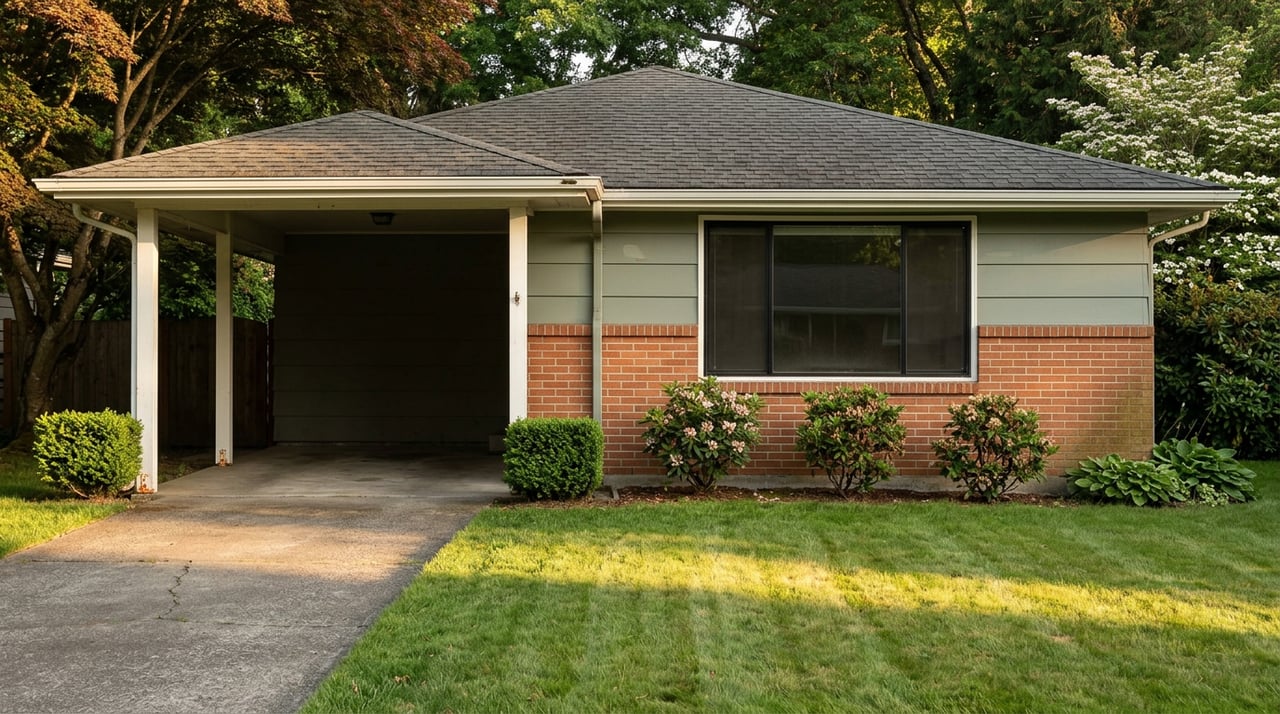
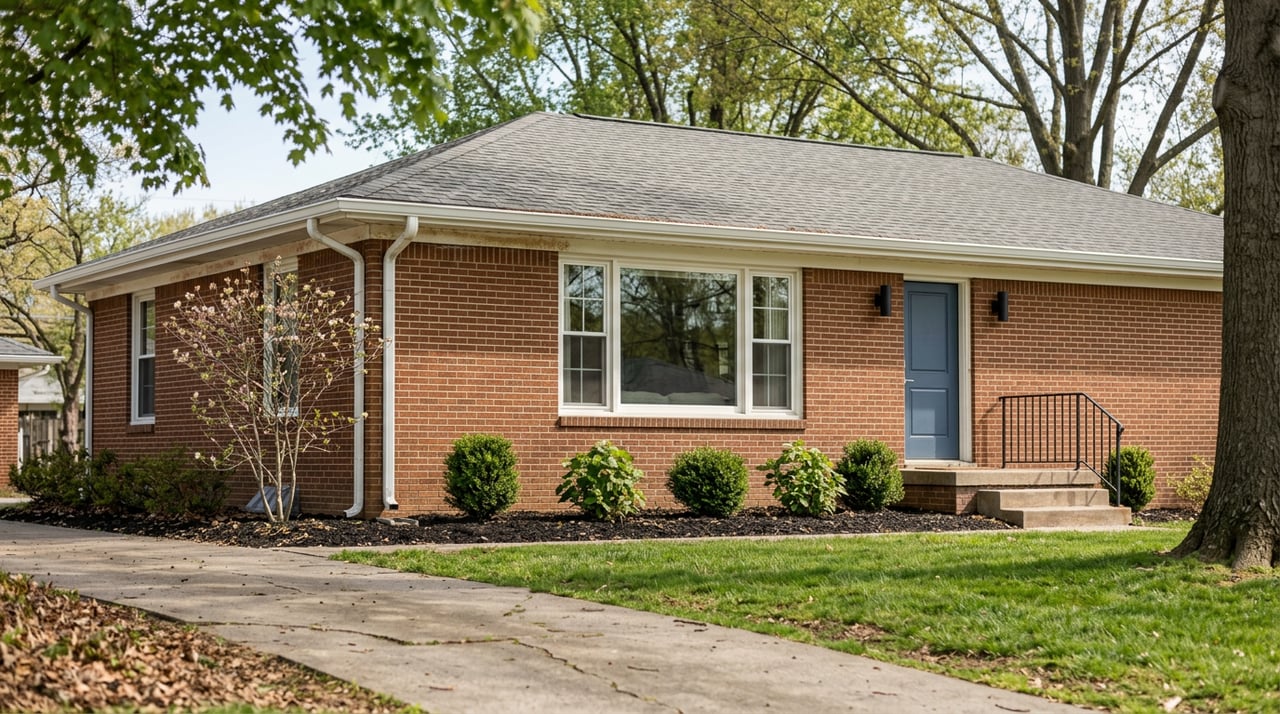
From the 1940s to the 1970s, Kingsport expanded with brick ranches and split‑levels. Examples include Colonial Heights, Highland Park, and Hillcrest, where you often see larger lots than downtown and more single‑level living. Use the city’s neighborhood resources to get a feel for layout and access across the map (Kingsport neighborhoods overview).
Newer and new‑construction pockets
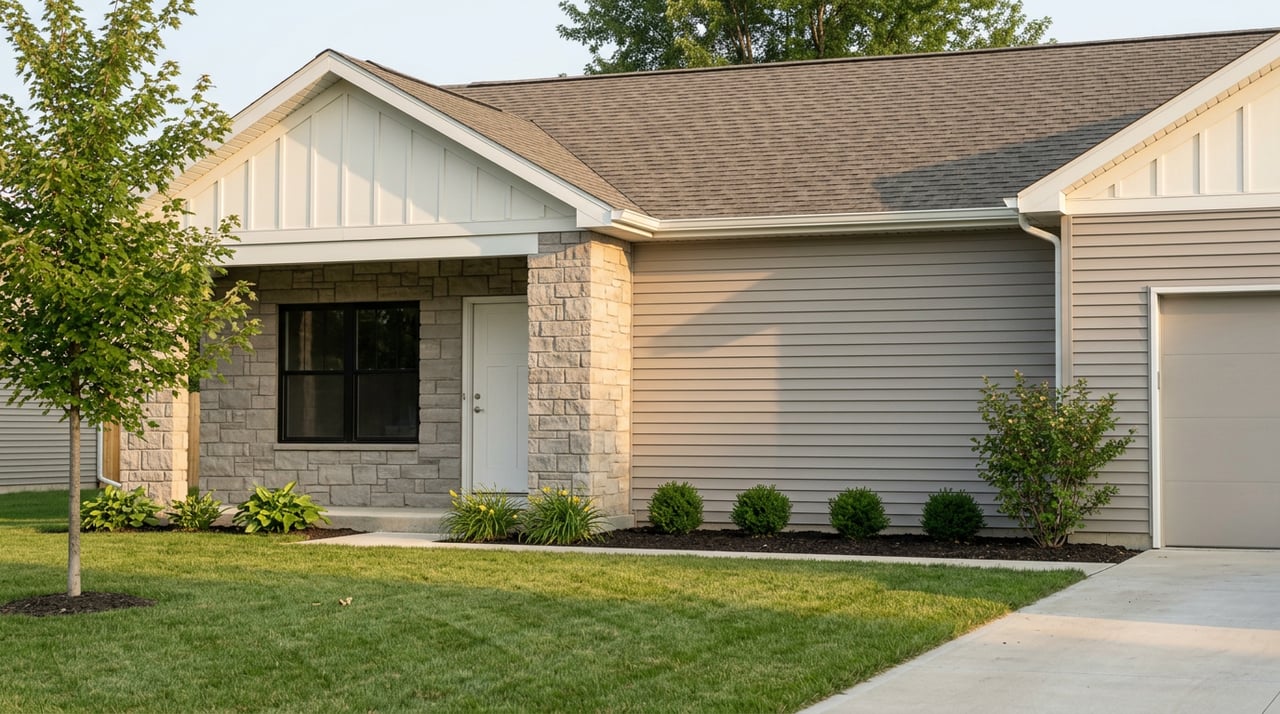
Later suburban and recent builds concentrate in Ridgefields, Preston Forest, Indian Springs, and newer subdivisions off Rock Springs and Stone Drive. These homes lean modern in layout with open kitchens, great rooms, and attached garages. Many communities offer HOA‑managed amenities and design standards, so include any HOA fees or rules when you compare total cost.
How older vs newer homes feel inside
- Older homes (pre‑1950s to 1970s): More defined rooms, original woodwork, hardwood floors, full‑depth porches, smaller closets, and often detached garages or carports. Systems may be original or partially updated.
- Newer homes (1990s to today): Open plan living, kitchen islands, a larger primary suite, two‑car attached garage, and energy‑efficient windows with modern HVAC and plumbing.
Maintenance snapshot by era
| Topic | Older homes | Newer homes |
|---|---|---|
| Electrical | May include older wiring or panels; ask about permitted upgrades | Built to modern code; still verify panel quality and GFCIs |
| Plumbing | Galvanized or cast‑iron can need replacement | PEX or copper with fewer near‑term issues |
| Foundations & crawlspaces | Watch for moisture, drainage, and wood rot | Drainage or grading can still settle; inspect early |
| Roofing & chimneys | Age and flashing are common repair points | Newer materials but confirm installation quality |
| Energy efficiency | Original windows or insulation may be less efficient | Better windows, insulation, and air sealing typical |
Maintenance and inspection priorities
Older homes: what to look for
- Electrical safety. Ask if knob‑and‑tube or two‑prong wiring remains and whether a modern breaker panel, GFCIs, and AFCIs were installed with permits. You can verify permits and inspections with the City of Kingsport (Building Department resources).
- Plumbing and sewer lines. Older galvanized supply lines or cast‑iron laterals can reduce flow or leak. Consider a sewer camera if age is unknown.
- Crawlspace moisture. Many East Tennessee homes have crawlspaces. Look for vapor barriers, proper drainage, and signs of wood rot or mold risk.
- Termites and wood‑destroying insects. Eastern subterranean termite pressure is a known local factor. Include a WDI inspection and ask about any treatment history (UT Extension’s regional pest guidance).
- Lead‑based paint in pre‑1978 homes. Renovations that disturb paint require EPA RRP lead‑safe practices and federal disclosure applies. Ask for any test records or plan for a lead inspection if needed (EPA lead safety overview).
- Roofs and chimneys. Check age, number of shingle layers, and chimney mortar or flashing.
Newer homes: advantages and watch‑outs
- Modern codes and inspections. New construction is typically permitted and inspected, with contemporary HVAC, windows, and structural standards that lower early maintenance needs (City permits and inspections).
- Builder warranty and HOA. Many newer neighborhoods include limited builder warranties and community standards. Review coverage, fees, and rules carefully.
- Quality and site details. Even code‑compliant homes can have punch‑list items. Verify insulation as‑installed, HVAC sizing, grading, and drainage. Schedule a third‑party inspection before closing and again before the warranty expires.
Quick tour checklist
Older homes
- When was the electrical panel upgraded, and are there permits for that work? Can we verify with the city?
- Has there been a WDI inspection in the past year and is there an active termite warranty?
- Any known sewer lateral or crawlspace moisture issues? Was a drainage plan implemented?
- Do you have lead‑paint or asbestos test records for pre‑1978 components?
- Is the property inside a historic overlay and what exterior changes have required approvals?
Newer homes
- Can I see the builder warranty in writing and the punch‑list for this home? Who handles warranty service?
- Were there any site or grading issues, retaining walls, or change orders documented with permits?
- Has the home had a blower‑door test, insulation verification, or HVAC balancing if energy efficiency is a selling point?
Universal items for any home
- Seller disclosures, utility bills, recent inspection reports, receipts for major repairs, permits, current property tax information, and parcel boundaries.
Local rules and risks to check
- Radon. Sullivan County is identified as higher potential for radon. Test any home and plan mitigation if needed (local radon resources).
- Flood risk. Portions of Kingsport sit near the Holston River and tributaries. Review FEMA flood maps and ask about flood insurance history (recent Federal Register flood map notices).
- Historic district approvals. Exterior work in historic overlays typically requires review by the Historic Zoning Commission. Always confirm requirements before planning changes (Kingsport boards and commissions).
- Property taxes. Tennessee assesses residential property at 25 percent of appraised market value, then applies local rates. Confirm whether a parcel lies in city or county jurisdiction to estimate your bill (state property tax guidance).
Which choice fits your lifestyle
Choose an older home if you love character features, mature trees, and proximity to downtown blocks and community events. Expect to budget time and funds for system updates and exterior approvals if you are inside a historic overlay. A 1920s bungalow near Watauga Street, for example, might offer porch time and original trim with a measured renovation plan.
Pick a newer home if you want low near‑term maintenance, an open plan, and an attached garage. In pockets like Ridgefields or Preston Forest, you are more likely to find move‑in ready layouts with modern systems and possible HOA amenities that keep curb appeal consistent. A 2018 four‑bed can deliver space and comfort while you focus on life, not repairs.
Next steps
- Get a local home inspection that includes WDI and, if you have not tested, a radon test.
- Verify permits and final inspections with the City of Kingsport before you waive contingencies.
- If you are weighing updates on an older home, consult a contractor for rough costs during your due diligence.
When you are ready to compare homes side by side, lean on a local team with 8+ years of experience and 40 to 60 closings per year. Reach out to Matthew & Andrea Pendleton for a practical game plan, on‑the‑ground neighborhood insight, and a confident path to your Kingsport home.
FAQs
What is the price gap between older and newer homes in Kingsport?
- Prices shift by neighborhood and age. Recent sources showed a citywide median around the low to mid $200k range, with Redfin at about $260k in Jan 2026 and others near $248k to $251k in late 2025. Check current listings for your target areas.
Do Kingsport historic districts limit exterior changes?
- Yes. If a property lies in a historic overlay, exterior projects like windows, roofing materials, paint colors, or additions often need Historic Zoning Commission review and approval.
Are termites a concern in the Kingsport area?
- Yes. Eastern subterranean termites are active in East Tennessee. Always include a wood‑destroying insect inspection and ask for any treatment records or warranties.
Should I test for radon in Sullivan County?
- Yes. The county is identified as higher potential for radon. Testing is inexpensive and mitigation systems are common if results are elevated.
What should I ask about a new construction home before closing?
- Request the builder’s warranty in writing, schedule a third‑party inspection, confirm permits and final inspections, and review any change orders or site‑grading notes.
How are Tennessee property taxes calculated on homes?
- The state assesses residential property at 25 percent of appraised market value, then local tax rates apply. Confirm whether the parcel is inside city limits to estimate the bill.